
Introduction
In today’s highly competitive digital marketing landscape, optimizing performance isn’t just an advantage—it’s a necessity.
Enter the Digital Marketing Analyst: the data-driven strategist turning clicks into conversions, metrics into insight, and potential into profit.
If you’re curious about how to excel in Digital marketing analyst jobs, especially Digital marketing analyst jobs in India, this article is your one-stop pillar post.

Types of Digital Marketing Analyst Roles
In the evolving world of digital marketing analyst jobs, different industries require specialized expertise to drive measurable results. The most common roles include:
- SEO Performance Analyst – Focuses on tracking keyword rankings, monitoring organic traffic growth, and evaluating backlink ROI to strengthen search visibility.
- PPC/SEM Analyst – Manages paid advertising campaigns, monitors cost-per-click (CPC), and optimizes return on ad spend (ROAS) across platforms like Google Ads and Bing Ads.
- Social Media Insights Analyst – Analyzes engagement metrics, audience sentiment, and conversion rates from social media campaigns to refine brand strategies.
- Retention & Lifecycle Analyst – Examines customer churn, lifetime value (CLV), and email marketing performance to boost retention and loyalty.
Internal-link teaser:
Read more in our guide: SEO Analyst vs. PPC Analyst: Which Path Suits You Best? — A quick comparison of responsibilities, skills, and career growth opportunities.
Skills Required for a Digital Marketing Analyst
Thriving in digital marketing analyst jobs—especially competitive markets like India—demands a mix of technical expertise and interpersonal skills. Key abilities include:
- Analytical Proficiency: Strong command of Excel, SQL, Google Analytics, Tableau, or Power BI to process and interpret large datasets.
- Statistical Know-How: Mastery of A/B testing, regression analysis, and statistical significance to validate marketing decisions.
- Digital Marketing Knowledge: Solid understanding of SEO, PPC, social media strategies, and content funnel optimization.
- Clear Communication: Ability to translate complex insights into actionable recommendations for teams and stakeholders.
- Problem-Solving Skills: Detect patterns, uncover bottlenecks, and implement data-driven optimization strategies.
Pro Tip: According to LinkedIn research, proficiency in Google Analytics can increase your job profile visibility by 44%—a must-have for aspiring analysts.
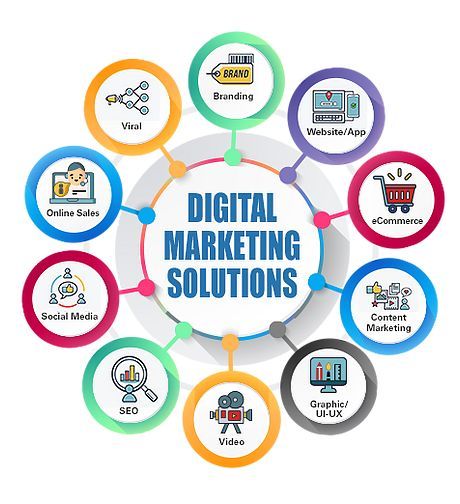
Importance of a Digital Marketing Analyst
The role of a Digital Marketing Analyst is critical for brands aiming to compete in today’s data-driven marketplace. Here’s why it matters:
- Maximizes ROI: Ensures every marketing dollar is invested in the highest-performing channels, improving overall return on investment.
- Enables Data-Backed Decisions: Replaces guesswork with evidence-based insights, helping businesses make smarter strategic moves.
- Drives Performance Optimization: Uses continuous testing and analysis to improve campaigns, landing pages, and customer journeys.
- Strengthens Cross-Team Collaboration: Acts as a bridge between marketing, finance, product, and sales teams for unified growth strategies.
When applied effectively, the insights from digital marketing analyst jobs can mean the difference between stagnant campaigns and exponential growth.
How to Get Started as a Digital Marketing Analyst
Breaking into digital marketing analyst jobs—whether globally or in India—requires a strategic approach. Follow this step-by-step plan to launch your career:
- Build a Strong Foundation: Learn essential tools like Google Analytics, basic Excel functions, and at least one business intelligence (BI) platform such as Tableau or Power BI.
- Work on a Mini-Project: Track website traffic, run A/B tests, and analyze performance data to demonstrate real-world skills.
- Earn Relevant Certifications: Focus on credentials like Google Analytics Individual Qualification (GAIQ) or Tableau Specialist to boost credibility.
- Create an Impressive Portfolio: Showcase dashboards, campaign analysis reports, and actionable insights from your projects.
- Network with Industry Professionals: Join LinkedIn groups for marketing analytics, participate in webinars, and connect with recruiters.
- Apply for Targeted Roles: Search specifically for “Digital marketing analyst jobs in India” or in your desired market to match your skills with regional demand.
Internal-link teaser:
Read our guide: How to Build an Analytics Portfolio that Gets You Hired — A practical roadmap for creating real-world projects that impress employers.
Benefits of Working as a Digital Marketing Analyst
Pursuing a career in digital marketing analyst jobs offers both professional and personal rewards. Key advantages include:
- High Demand & Competitive Salary: In India, average salaries range from ₹6–8 LPA, while globally, the median is around US $60k–$70k—reflecting strong market demand.
- Clear Growth Potential: The role provides a solid pathway to senior positions like Marketing Manager, Head of Performance, or even Chief Marketing Officer (CMO).
- Intellectual Stimulation: Every campaign brings fresh challenges, pushing you to innovate and adapt your strategies.
- Data-Driven Impact: Your analytical insights directly shape marketing strategies, making you a key decision-maker rather than just an executor.

Case Studies or Examples of Successful Careers
Case Study 1: E-Commerce Retailer in Delhi
A Digital Marketing Analyst tracked a 25% drop in cart conversions. After granular funnel analysis, a one-click checkout tweak increased conversions by 15%, boosting revenue by ₹2 million/month.
Case Study 2: Global SaaS Startup
By segmenting PPC performance by device and geography, an analyst reduced inefficient spend by 30% and increased qualified leads by 18% within two months.
Internal Link Teasers (3–4 lines each)
- SEO Analyst vs PPC Analyst: Which Path Suits You Best?
Explore how responsibilities, tools, and career growth differ between SEO performance analysts and PPC specialists—perfect for picking your ideal path. - How to Build an Analytics Portfolio that Gets You Hired
Step-by-step methods to craft meaningful dashboards and case studies that catch recruiter attention and highlight your analytical skills. - Top Tools for Performing A/B and Multivariate Testing
A breakdown of industry-standard tools designed to test landing pages, emails, and ads—simple comparisons to pick what’s best for you.
Emerging Trends in Digital Marketing Analytics
Stay ahead with these trends:
- AI-Powered Attribution: Tools using machine learning now allocate conversion credit across touch-points.
- Predictive Analytics: Forecast customer behavior using predictive models and churn scoring.
- Zero-Party Data: Consumers sharing data voluntarily; analysts optimizing personalization ethically.
- Multi-Channel Dashboards: Unified dashboarding across web, app, email, and ad channels in real time.
Interview Questions & SEO-Friendly Short Answers
- What is attribution modeling?
Answer: Attribution modeling assigns credit to different marketing touch-points for a conversion—helping you invest smarter. - How do you measure ROI of a digital campaign?
Answer: Subtract campaign cost from revenue, divide by cost: (Revenue – Cost) / Cost. - What is A/B testing and why use it?
Answer: A/B testing compares two versions of a page or ad to see which performs better; it’s crucial for data-driven optimization.
SEO-Friendly FAQs
What does a digital marketing analyst do?
A Digital Marketing Analyst collects and analyzes campaign data (from SEO, PPC, social media), interprets performance, and offers insights to optimize marketing strategies.
How much does a digital marketing analyst earn in India?
In India, salaries range from ₹4 LPA for freshers to ₹12 LPA or more for experienced analysts, depending on skills, city, and domain.
Is digital marketing analyst a good career path?
Yes — it’s data-driven, in high demand, and offers a clear growth path into managerial or strategic roles.
(These answers are concise, informative, and aligned with Google’s featured-snippet style.)
Key Advantages of Being a Digital Marketing Analyst
- Data Mastery: Command analytics tools and drive smarter decisions.
- Versatile Impact: Influence SEO, PPC, social, content, email, and more.
- Career Flexibility: Move into leadership or specialized roles.
- Quantifiable Wins: Easily demonstrate value with metrics.
- Emerging Technologies: Ride the wave of AI and predictive marketing.
Conclusion & Recap + CTA
You’ve now seen why the Digital Marketing Analyst role matters, how to get started, and what makes it rewarding—whether you’re targeting Digital marketing analyst jobs globally or Digital marketing analyst jobs in India. Your next step? Start building that analytics portfolio today. Track a campaign, run a test, or build a dashboard—then share your findings and secure your edge in this in-demand field.
If you’re ready to step into your role as a digital insights leader, get started now—and don’t miss the linked cluster guides for deeper dives. Your future in digital analytics is waiting. Go claim it! ✨